
What role does AI play in art?
22/01/2026
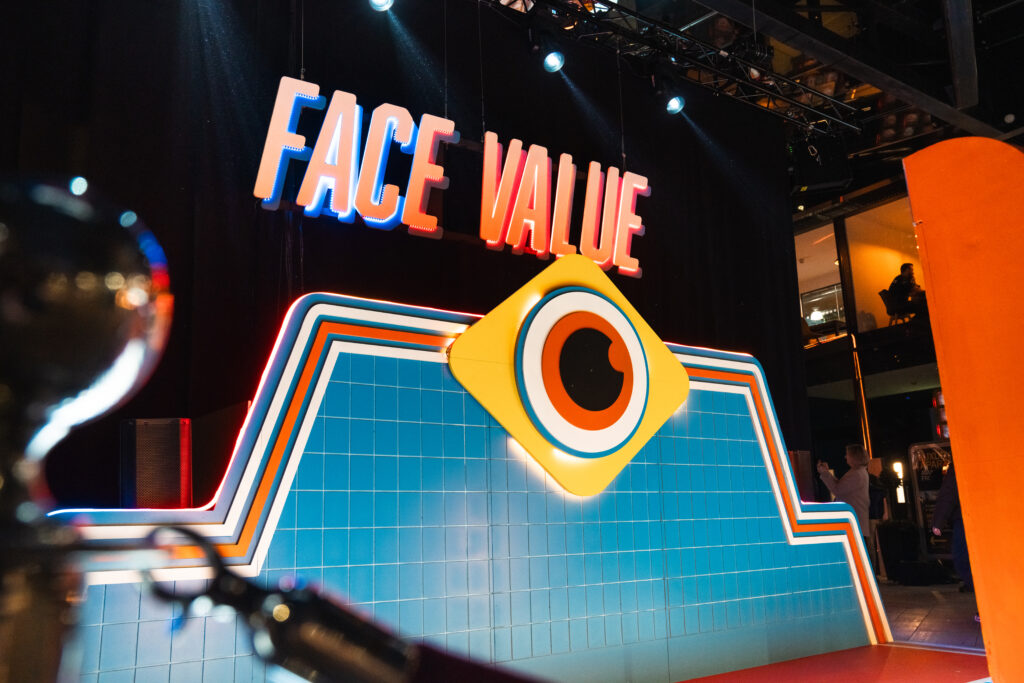
The River of Light festival in Liverpool showcased ‘Face Value’, a captivating installation co-created by PhD student Emma Brass from the University of Liverpool and Venya Krutikov, co-founder of The Kazimier and Invisible Wind Factory.
Blending artificial intelligence, robotics, and visual art, Face Value invites visitors to confront how technology perceives and redefines reality.
The eighth edition of River of Light invites visitors on a 3 kilometre journey through a blend of science, light and art projects. While working on her PhD in Chemistry, Emma Brass ventured into the world of code-based art and creative technology, an unlikely combination of science and creativity. Her collaboration with Venya Krutikov, a multidisciplinary artist known for large-scale immersive works, became a natural meeting point between engineering and creative expression.
Working together to develop Face Value, a fully interactive experience came to life in which visitors’ faces are captured and interpreted by an AI system. Their digital likeness then transforms in real time into a collective display of shifting light and emotions, prompting discussions on the difference between human individuality and machine perception.
“We wanted to explore what happens when AI becomes the artist, when it observes us, learns from us, and then reimagines us,” says Emma. The project embodies the University of Liverpool’s commitment to interdisciplinary innovation where scientific research supports their students’ artistic exploration.
Collaborating with motion plastics manufacturer, igus UK, bridged the gap between robotics and creative expression, enabling Emma and Venya to demonstrate how emerging technologies can enhance public engagement and introduce complex ideas like AI ethics and perception.
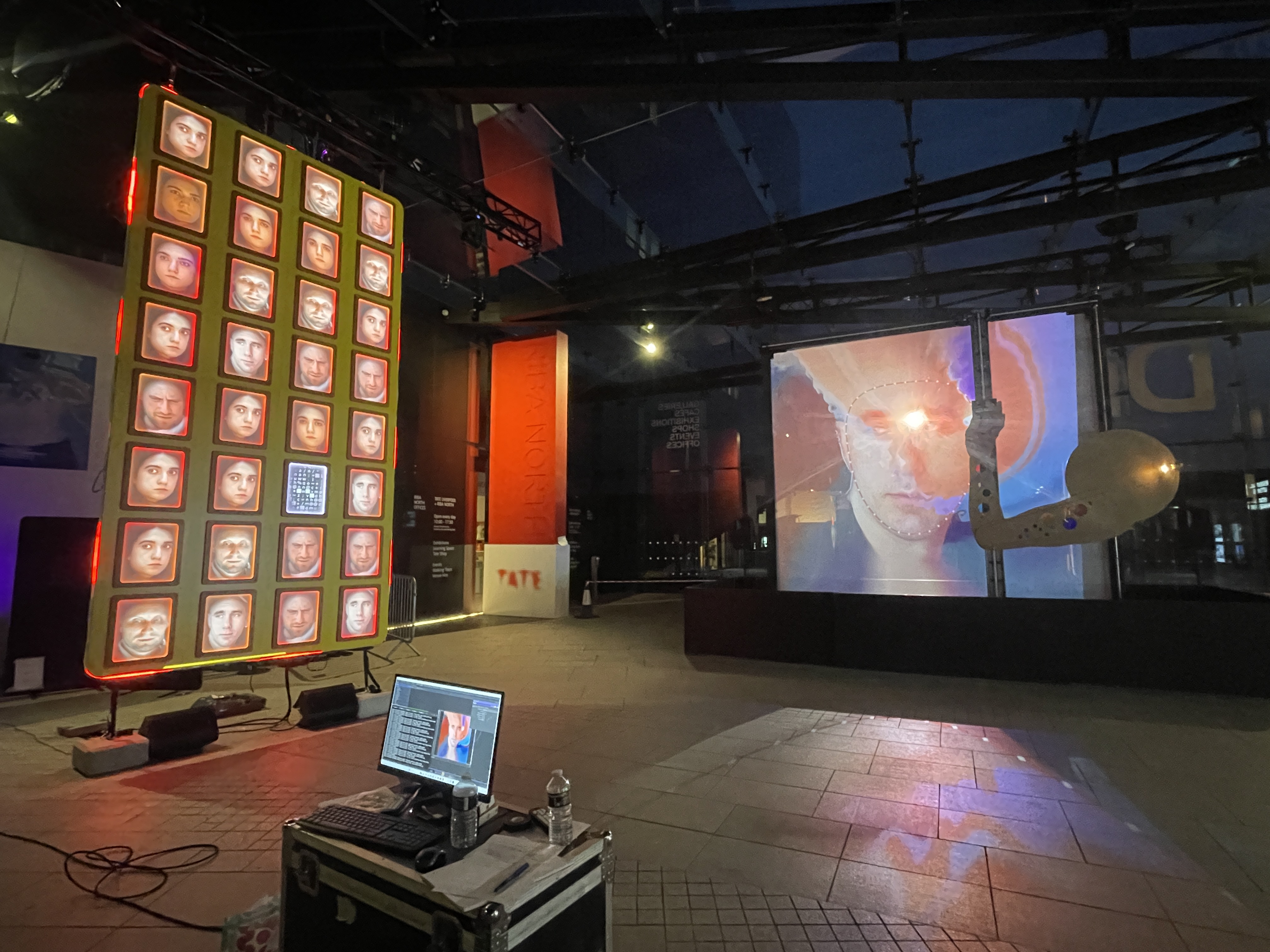
To bring the installation to life, the team incorporated a robotic arm feature that performs the delicate movements of the “AI artist.” igus UK designed and manufactured a custom ‘H’ style flat gantry system, with a large stroke of 4 m x 4 m. “This is definitely up there as one of the largest gantries we’ve ever done,” says Automation Product Manager, Adam Sanjurgo.
The system was able to operate smoothly, quietly, and provided a low-maintenance solution that enabled the technology to work seamlessly within the immersive experience. In this way, the robotic mechanics remained discreetly in the background, allowing the artwork’s emotional presence to take centre stage.
“Our goal was to make sure the engineering was invisible so that people experienced the magic of the finished product uninterrupted.” says Sanjurgo.
Learn more about the project from the University of Liverpool: Chemistry PhD student creates AI art for River of Light festival – News – University of Liverpool